
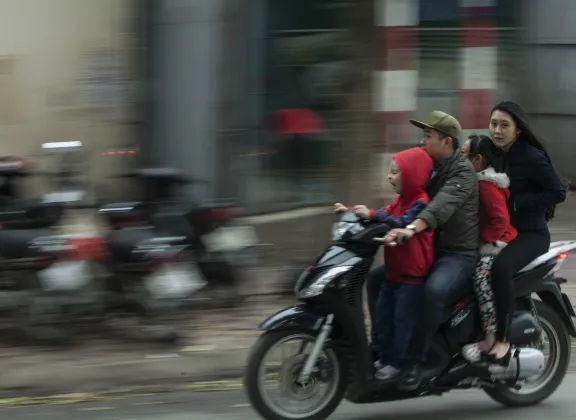
Most people picture trafficking as a kidnapping. A stranger, a van, a border crossed in the dark. The reality is far more ordinary, and far more devastating. Trafficking happens in homes, on screens, in factories and hotels. It happens in countries like Cambodia, Vietnam, and Afghanistan, and it happens in your community too.
Trafficking almost always begins with an offer that sounds like a lifeline: a good job, a chance at independence, a relationship that feels safe. Most often, the trafficker is someone the victim already knows: a neighbour, a boyfriend, an aunt, a friend.
Human
Trafficking
50 million people are trapped in forced
labour or sexual exploitation right now.
It's not what most people picture, and
that's exactly why it keeps happening.

-
50 M
People in forced labour or sexual exploitation worldwide.
-
1 in 4
Victims are children — many under 12 years old.
-
$150 B
Generated every year by traffickers.
-
1 %
Of victims are ever identified
and receive any help.
Types of human trafficking
What does trafficking look like in practice?
Human trafficking takes many forms, and no single pattern fits every case. The most common include:
- Forced labour in factories, agriculture, construction, and domestic settings
- Commercial sexual exploitation, including in hotels, entertainment, and online
- Forced marriage, including child marriage
- Online exploitation and forced scamming operations, which have grown rapidly since 2020
- Debt bondage, where a person is told they owe money they can never repay
Forced labour is the most common form globally, according to the International Labour Organization (2022). Sexual exploitation is the second most common, and the most frequently identified by law enforcement.

Human trafficking doesn't just happen "over there"
The highest number of trafficking victims are in Asia and the Pacific — in Cambodia, Vietnam, Thailand, and Myanmar. These are countries shaped by poverty, displacement, and limited legal protections for workers. They are also the countries where Hagar works.
But trafficking happens in every country on earth, including every wealthy Western nation. Increasingly, human trafficking happens through screens via social media, fake job listings, and messaging apps.
The supply chain connection
Many everyday products carry a hidden history of forced labour. The goods on our shelves are often connected to the places where trafficking is worst. That's why it matters what we buy, and who we buy from.
How to prevent human trafficking
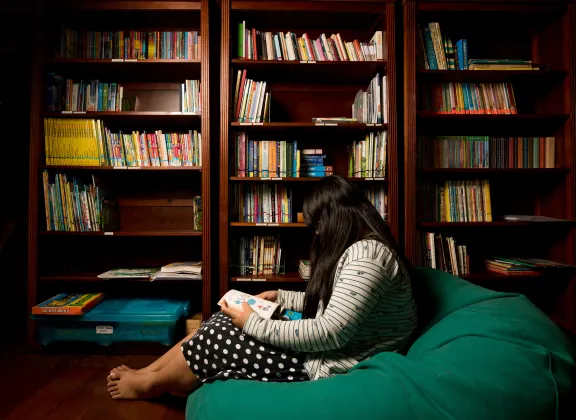
Prevention starts with understanding how trafficking actually works — which is rarely the way most people imagine it. When families know what false job offers look like, when communities have strong enough networks to notice when someone is in trouble, and when local systems are built to protect the most vulnerable, trafficking is harder to carry out.
Hagar’s prevention work happens at three levels: with families who need honest, specific information about how recruitment works; with teachers, faith leaders, and community workers who are often the first to notice when someone is at risk; and with governments and institutions working to close the legal and systemic gaps that traffickers exploit.
Prevention takes both building awareness and the conditions so that exploitation is harder to carry out and easier to stop.
Warning signs of human trafficking
Human trafficking is not always easy to recognise. But there are patterns, and knowing them matters. Whether you are a teacher, healthcare worker, hotel employee, parent, or someone paying attention – knowing the signs can help free people from human trafficking. Look for clusters of indicators, and trust your instincts.
If you suspect trafficking, do not intervene directly. Call your National Human Trafficking Hotline.
Signs in a person
- Seems confused or disoriented about their location, the date, or basic facts about themselves
- Cannot speak freely — someone else answers for them or monitors what they say
- Gives scripted or rehearsed answers that don’t feel natural
- Shows signs of physical abuse, malnourishment, exhaustion, or untreated injuries
- Has few or no personal possessions — no ID, no phone, no money of their own
- Lives and works in the same place, or is moved between locations by someone else
- Seems fearful or unusually submissive, especially around a particular person
- Is a minor who appears engaged in commercial sex or has an older “boyfriend” or “manager”
Signs in a situation
- Multiple people living in a cramped space with little freedom of movement
- Someone else holds or controls their identity documents — passport, visa, ID
- They are not allowed to speak for themselves in medical, legal, or official settings
- Their account of events changes or doesn’t match their documentation
- They don’t know their employer’s address or the terms of their employment
Frequently asked questions
What is Human Trafficking?
Human trafficking is when someone uses force, fraud, or coercion to control another person for labour or sexual exploitation. It happens worldwide, no region or country of the world is immune.
How common is human trafficking?
An estimated 50 million people are trafficked or enslaved worldwide today, about one in every 150 people. Forced labour is the most common form of human trafficking globally, accounting for the majority of cases according to the International Labour Organisation. Victims are coerced or deceived into working under threat of violence, debt bondage, or other forms of control. Sexual exploitation is the second most common form, and the most commonly identified by law enforcement.
What should I do if I suspect human trafficking?
Contact your National Human Trafficking Hotline.
What happens to survivors of human trafficking?
Survivors of human trafficking frequently carry deep and lasting trauma, including post-traumatic stress, depression, anxiety, and physical health consequences. Recovery requires long-term, specialized support: counseling, legal help, safe housing, and job training. Without that sustained support, survivors face a significantly higher risk of being exploited again. This is why long-term care — not just rescue — is what actually helps survivors stay free.
How can I help stop human trafficking?
There are several practical ways to make a difference: donate to organizations that provide long-term survivor care; download Hagar's Action Guide to learn the warning signs and how to report suspected trafficking; advocate for policies that protect vulnerable people; and make more informed choices as a consumer by supporting companies with transparent supply chains.
Is human trafficking the same as smuggling?
No. Smuggling means illegally moving someone across a border, a crime against immigration law. Human trafficking means exploiting a person through force, fraud, or coercion, it's a crime against the person. Someone who was smuggled can become a trafficking victim if they're later exploited, but the two are different crimes. Trafficking can also happen entirely within one country (or one city), with no border crossed at all.
Is the movie Sound of Freedom based on a true story?
The Sound of Freedom film draws loose inspiration from real anti-trafficking work, but it dramatizes and exaggerates key details — including how trafficking actually happens and how rescues actually work. Real trafficking rarely looks like the film's depiction. It's far more often a slow process involving someone the victim already trusts, not a single dramatic rescue. Groups like Hagar focus on what happens after a survivor is found: years of legal, medical, and psychological support most survivors need to rebuild their lives.
Give the support needed to heal and rebuild lives
50 million people are trafficked and enslaved. Hagar is on
a mission to change that – one survivor at a time, for as long as it takes. Your gift makes the long road of recovery possible.